
Historical Impact

When Vitamins Are Missing

Before vitamins were discovered, deficiency diseases killed millions. Understanding these conditions underscores the critical importance of proper nutrition in human history.

Last updated:

Scurvy
VITAMIN C (ASCORBIC ACID)

Scurvy

The Sailor's Plague

Scurvy is the clinical syndrome resulting from vitamin C deficiency, characterized by defective collagen synthesis that compromises the structural integrity of connective tissues throughout the body. It killed more than 2 million sailors between 1500 and 1800.

Key Symptoms

Bleeding gums and loose teethPoor wound healing and bruisingJoint pain and corkscrew hairs

History: In 1747, Scottish naval surgeon James Lind conducted the first controlled clinical trial, proving citrus fruits cured scurvy. The British Admiralty mandated lemon juice for sailors in 1795. Albert Szent-Györgyi isolated ascorbic acid in 1932 and won the Nobel Prize.

Rickets
VITAMIN D (CALCIFEROL)

Rickets

The English Disease

Rickets is the childhood manifestation of vitamin D deficiency, characterized by defective mineralization of the growth plates of long bones, resulting in skeletal deformities. Before fortification, it affected more than 90% of children in some urban areas.

Key Symptoms

Bowed legs or knock-kneesWidening of wrists and anklesBone pain and muscle weakness

History: In 1918, Sir Edward Mellanby showed cod liver oil prevented rickets. In 1922, Elmer McCollum isolated the protective factor and named it "vitamin D." The advent of milk fortification in the 1930s essentially eliminated rickets as a public health problem.

Beriberi
VITAMIN B1 (THIAMINE)

Beriberi

I Cannot, I Cannot

Beriberi is the clinical syndrome of thiamine deficiency, manifesting primarily as dysfunction of the cardiovascular and nervous systems. The name derives from the Sinhalese word meaning "I cannot, I cannot" — a reference to the severe weakness.

Key Symptoms

Peripheral neuropathy (dry beriberi)Heart failure and edema (wet beriberi)Muscle wasting and weakness

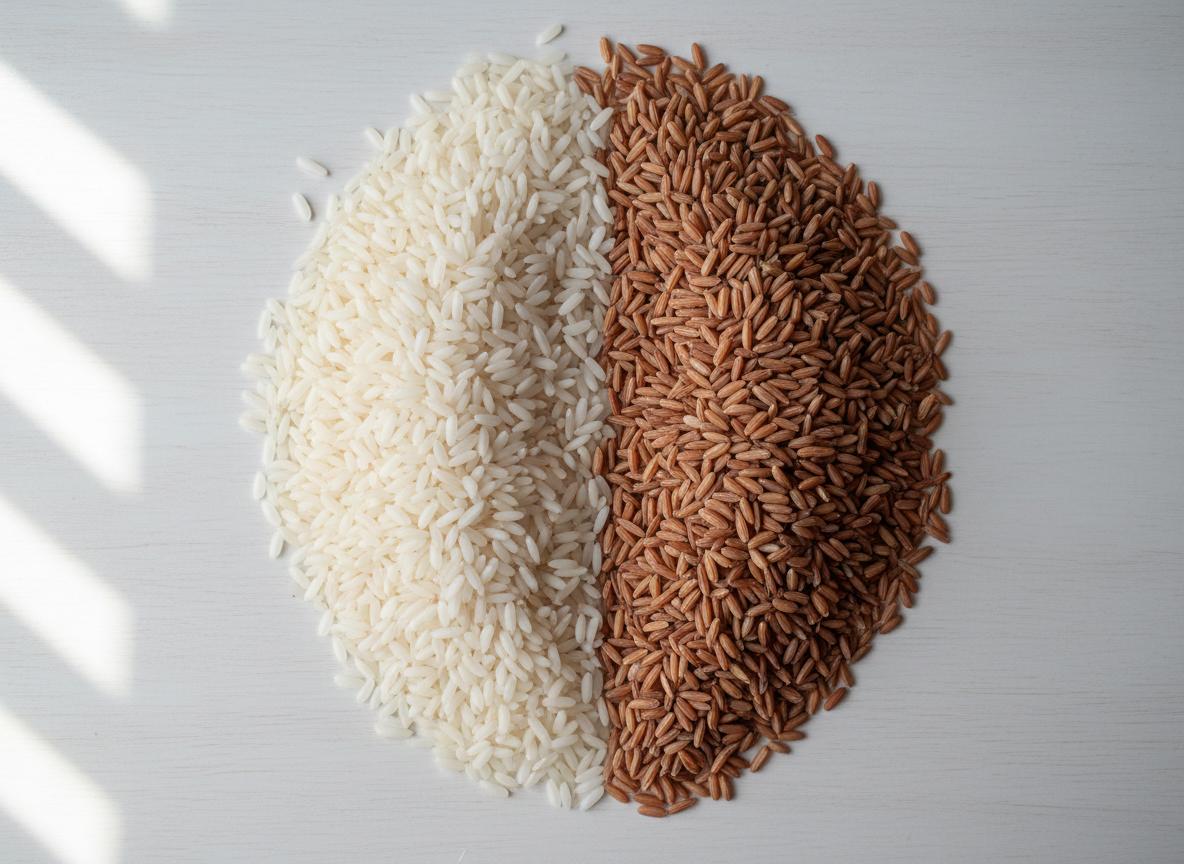
History: Beriberi was endemic throughout Asia where polished white rice was the dietary staple. In 1897, Dutch physician Christiaan Eijkman showed chickens fed polished rice developed polyneuritis. He shared the 1929 Nobel Prize for this discovery.

Pellagra
VITAMIN B3 (NIACIN)

Pellagra

The Four Ds

Pellagra is the clinical syndrome of niacin deficiency, historically associated with diets heavily dependent on corn. It caused more than 100,000 deaths and affected hundreds of thousands in the American South between 1900 and 1940.

Key Symptoms

Dermatitis (photosensitive rash)Diarrhea and gastrointestinal issuesDementia and cognitive decline

History: Dr. Joseph Goldberger conducted meticulous studies between 1914-1930 proving pellagra was caused by dietary deficiency. The near-elimination of pellagra followed niacin fortification of wheat flour beginning in the early 1940s.